



















How does laser 3D printing achieve the processing and molding of high-reflectivity materials?
 Release time:2026.03.06
 Views:4505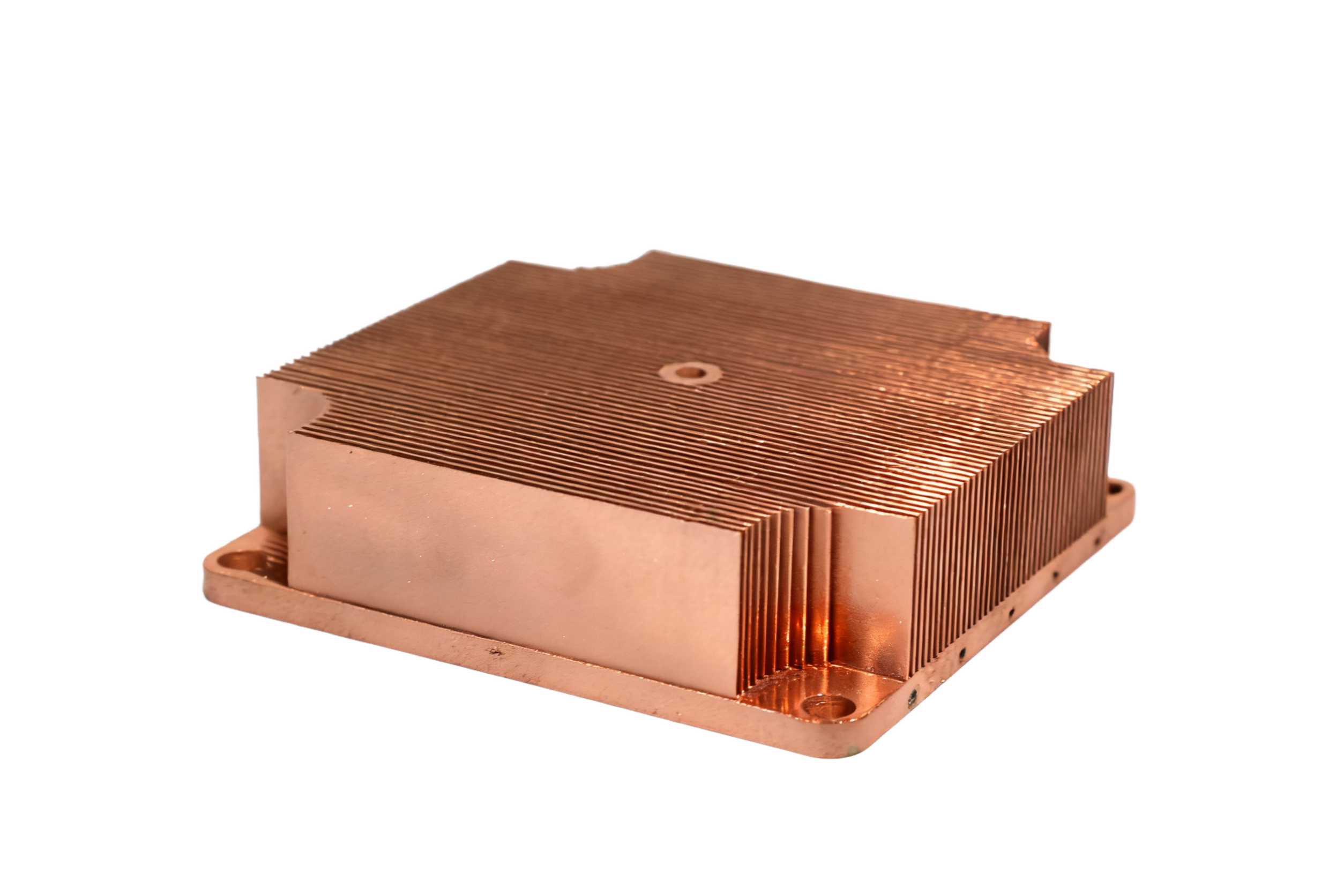
The difficulty in laser 3D printing high-reflective materials (such as copper, aluminum, gold, silver, etc.) lies in their extremely low absorption rate for the near-infrared wavelengths (approximately 1064nm) commonly used by mainstream lasers (e.g., pure copper has an absorption rate of only about 5%), resulting in most energy being reflected. This leads to challenges in melting, low forming efficiency, and even potential laser damage from reflected light. To address this challenge, the industry and academia have primarily developed an effective strategy:
Short-wavelength laser technology
By utilizing the characteristic that materials such as copper have a much higher absorption rate for green light (532nm) or blue light (450nm) compared to infrared light (e.g., pure copper absorbs up to 40% of green light), the energy utilization efficiency is significantly enhanced from a physical perspective.
Han’s Matrix has already published the green laser 3D printing equipment, the HANS M360G, has successfully printed pure copper heat sinks, achieving a 2-3 times improvement in forming efficiency, with a density of 99.5%. It boasts high energy utilization, excellent printing quality, and is particularly suitable for high-reflective materials such as pure copper.


